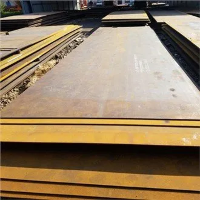
Wear-resistant steel as a special steel began about the second half of the nineteenth century. 1883 British Hadfield (R0.A0.Hadfield) first obtained the patent of high manganese steel, so far more than 100 years of history, high manganese steel is a high carbon content and manganese content of wear-resistant steel, this has more than 100 years of history of the old steel, because it is used in large impact abrasive wear conditions. It has the advantages of strong work-hardening ability, good toughness and plasticity, and easy to master the production process, so it is still the largest amount of wear-resistant steel (especially in mining and other sectors). In recent decades, the development and application of low- and medium-alloy wear-resistant steels has developed rapidly, and these steels are welcomed by users because of their good wear resistance and toughness, simple production process and reasonable comprehensive economy, which are applicable under many working conditions. In order to meet the needs of the development of mining and transportation machinery and construction machinery, the high hardness wear-resistant steel plates developed in the 1970s to 1980s have formed a series and standardized in the international arena. These steels are developed on the basis of low-alloy high-strength weldable steel, they are generally quenched and tempered directly after rolling, or the implementation of controlled rolling, controlled cooling process for strengthening, can save energy, and low alloying element content, the price is cheaper, but high hardness, wear resistance, process performance is still available, because of these advantages make this kind of wear-resistant steel plate is very popular with users. Some steel companies in Japan, Britain and the United States are producing this kind of wear-resistant steel.